Where multi-agent coding breaks down
The problem is usually not access to more agents. The problem is keeping agent work routed, visible, and reviewable once more than one agent is active.
- One agent finds context in chat, another edits locally, and nobody can see the full delivery path.
- Different tasks need different repos, runtimes, machines, and access scopes.
- A team gets more raw output, but less confidence about what actually ran and what should be reviewed.
What a controlled orchestration layer should do
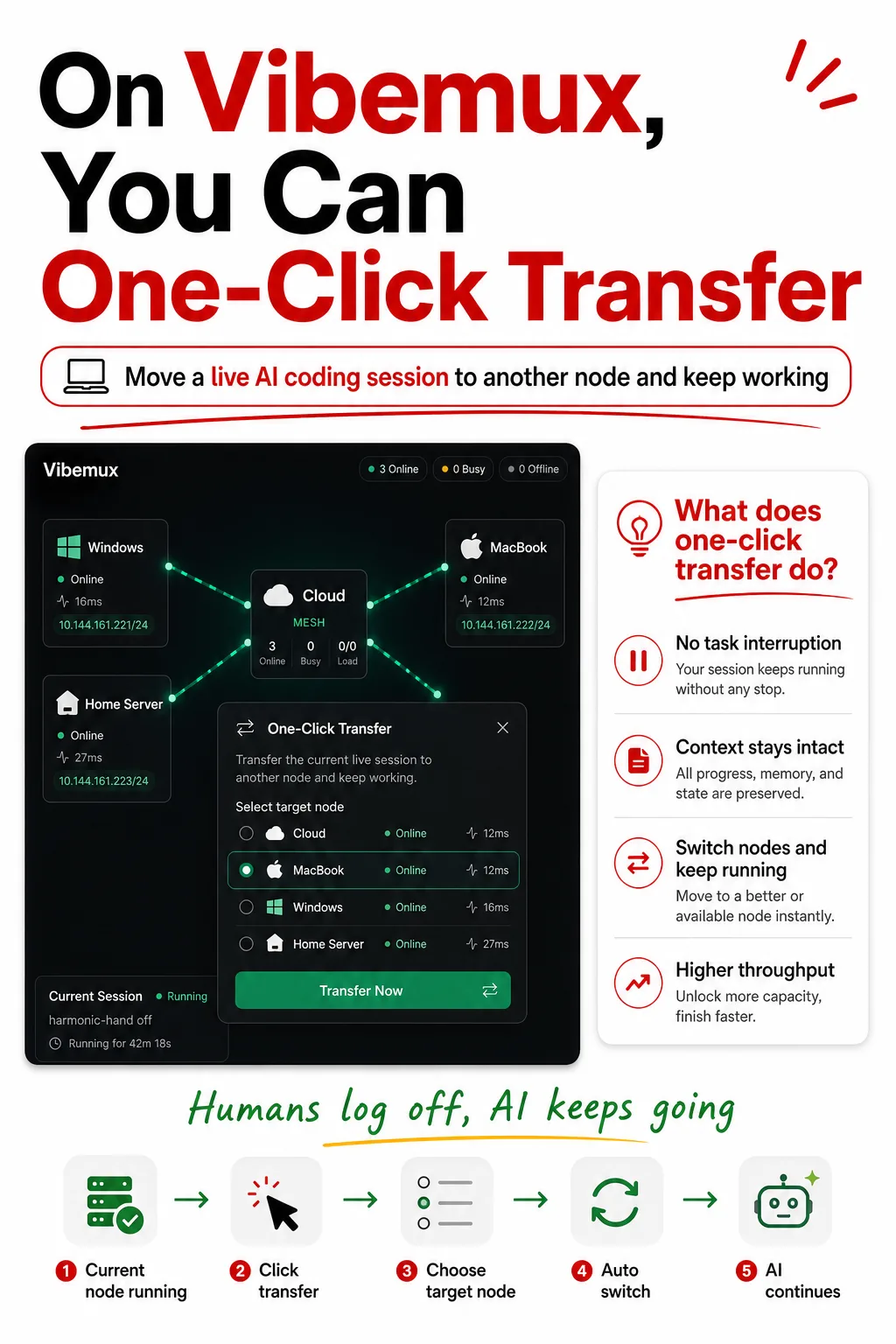
Shared task surface
Keep AI coding work in a visible queue instead of scattered across personal assistant tabs.
Worker-aware routing
Route each task to the worker that already has the correct repository, environment, or machine access.
Reviewable output
Make every run return logs, branches, and artifacts a human can inspect before anything moves forward.
A practical framing
Use multiple agents when they increase throughput or specialization. Do not hide the delivery contract behind them.
Each task still needs a real repo target, a real execution surface, logs, branch output, and a human checkpoint.
That is the difference between multi-agent novelty and multi-agent delivery.
Good fit signals
- You are already experimenting with more than one coding agent or more than one runtime.
- Your team needs AI work to come back as reviewable repository changes, not just message output.
- You want coordination rules without pretending the whole workflow should become fully autonomous.